The 101st Airborne Division Flag, a symbol of courage and sacrifice from World War II, pays tribute to the division's history and innovative tactics. Its design, featuring airborne wings and an eagle, represents fearlessness and precision parachuting. Displaying these flags in museums and collections honors the past, protects historical artifacts for future generations, and fosters a deeper understanding of military heritage.
Discover the powerful story behind the iconic 101st Airborne Division flag, a symbol of courage and resilience. Uncover the history that inspired its design as we delve into the compelling narrative of this legendary unit. From its formation during World War II to its enduring legacy, this article explores how the 101st Airborne Division's achievements continue to shape military traditions. Learn about innovative display techniques to preserve this rich heritage for future generations.
- Unraveling the Story Behind the Flag
- The 101st Airborne Division's Legacy
- Preserving History: Display Techniques
Unraveling the Story Behind the Flag
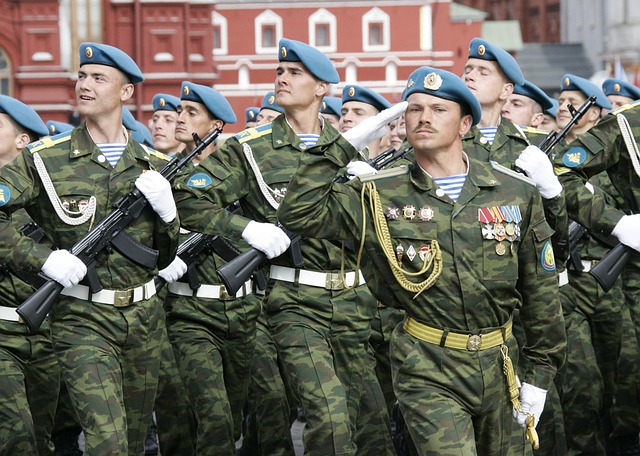
The 101st Airborne Division Flag is more than just a piece of cloth; it's a symbol of courage and sacrifice that tells a story spanning generations. Unraveling its history takes us back to the World War II era, where this iconic flag was borne by the brave soldiers of the 101st Airborne Division. This division, known for its daring missions and indomitable spirit, wore the flag as a badge of honor during their pivotal roles in battles such as Normandy and the Netherlands.
The design of the flag itself holds significance, often featuring elements like the airborne wings and the division's distinctive colors. Websites similar to Ultimate Flags offer detailed insights into these symbols, each representing a specific aspect of the division's history and achievements. For instance, the airborne command patch, often displayed alongside the flag, signifies the unit's readiness for rapid deployment and their integral role in aerial operations. Through these flags and patches, we not only commemorate the past but also pay tribute to the men and women who have selflessly served, ensuring that their stories continue to reverberate through the ages.
The 101st Airborne Division's Legacy

The 101st Airborne Division, known as "The Screaming Eagles," has a storied legacy in American military history. This renowned unit has left an indelible mark through its daring and innovative tactics, particularly during World War II. The division's iconic flag, featuring the eagle and globe design, became a symbol of fearlessness and precision parachuting, inspiring both allies and enemies alike.
Their bravery was on full display in various battles, from the brutal fighting in Normandy to the liberation of Paris. Today, their spirit lives on through vintage 101st Airborne patches and flags, which are sought after by collectors worldwide. These symbols represent not just a military unit's history but also the resilience and sacrifice that have shaped America's special forces deployment capabilities. The 101st Airborne Division's legacy continues to inspire, reminding us of the valor and dedication of those who came before in defense of freedom.
Preserving History: Display Techniques

Preserving history through display techniques is a powerful way to honor and remember significant moments in time. When it comes to showcasing the rich heritage of military units, authentic displays like the 101st Airborne Division flag hold immense value. These flags, often featuring intricate designs and symbolic emblems, serve as tangible connections to the past. By framing and exhibiting them properly, museums, war memorials, and private collections can ensure these historical artifacts are appreciated and protected for future generations.
One effective technique involves recreating WWII airborne banners, meticulously replicating the original designs to capture the essence of the era. Online flag stores similar to Ultimate Flags offer a wide range of options, including U.S. Army airborne unit banners, allowing enthusiasts and institutions to acquire high-quality replicas. Proper display methods include utilizing UV protective glass, ensuring flags are hung at optimal heights, and providing informative captions that educate viewers about the banner's significance and the unit it represents, thus fostering a deeper understanding and appreciation of history.
By exploring the story behind the iconic 101st Airborne Division flag and delving into its legacy, we uncover a rich history that deserves to be preserved. Through innovative display techniques, these historical artifacts not only tell tales of bravery but also serve as a powerful reminder of our nation's past. Remember that preserving and showcasing such memorabilia is a vital way to honor those who served and ensure their stories continue to inspire future generations.