
The 101st Airborne Division flag represents courage, sacrifice, and resilience, symbolizing American military excellence. Its historical significance, from World War II missions to modern special operations, inspires individuals to overcome fear and adversity. The flag's design, with a phoenix rising from the ashes, embodies indomitable spirit. Studying the 101st's tactics offers valuable leadership lessons for navigating complex challenges in various sectors. Courage, cultivated through self-awareness and supportive environments, is crucial for facing modern injustices and fears, with open dialogue normalizing mental health conversations.
Courage and sacrifice are enduring symbols of human resilience and strength, shaping our collective identity and inspiring future generations. The 101st Airborne Division flag, emblazoned with a bold eagle, stands as an iconic representation of these virtues, particularly in times of conflict. This article delves into the profound significance of this symbol, exploring its historical context within the division's notable achievements and sacrifices. By examining real-world examples, we uncover how the 101st Airborne Division flag serves as a powerful reminder of the unwavering courage displayed by its members, offering invaluable lessons in leadership, camaraderie, and resilience that resonate across cultures and eras.
- Understanding Courage: The Foundation of Sacrifice
- The 101st Airborne Division Flag: A Symbol of Bravery
- Historical Sacrifices: Lessons from the Battlefield
- Modern Reflection: Embracing Courage in Daily Life
Understanding Courage: The Foundation of Sacrifice

Courage is a cornerstone of human achievement, often requiring individuals to confront fear and embrace uncertainty. Within military history, the 101st Airborne Division flag stands as a powerful symbol of this indomitable spirit, embodying both courage and sacrifice. The division's iconic patch, featuring an eagle, globe, and anchor, represents the global reach and unwavering commitment of its paratroopers. This symbol transcends mere aesthetics; it encapsulates the essence of their training and operational prowess at sites like Ultimate Flags, where such memorial items are celebrated.
The act of sacrifice is inextricably linked to courage, as it demands individuals to prioritize a greater good above personal comfort or safety. Paratrooper divisions, like the 101st, have historically been tasked with some of the most perilous missions, requiring them to jump into unknown territories and engage in close-quarters combat. These operations demand an extraordinary level of courage, as demonstrated by the division's color guard from the Airborne School—a small but crucial contingent responsible for carrying and protecting ceremonial flags during parades and ceremonies. Their presence at every major event underscores the profound respect and admiration held for these soldiers' bravery.
Understanding courage in this context requires a deep appreciation for discipline and training. The 101st Airborne Division, known for its rigor and excellence, has forged a reputation for fearlessness through meticulous preparation. This includes rigorous physical conditioning, extensive parachute jumping, and specialized combat training, all of which cultivate an environment where sacrifice becomes not just possible but expected. By embracing these challenges, paratroopers not only symbolize courage but also inspire others to confront their fears and rise above perceived limitations, leaving a lasting impact on military history and broader society.
The 101st Airborne Division Flag: A Symbol of Bravery
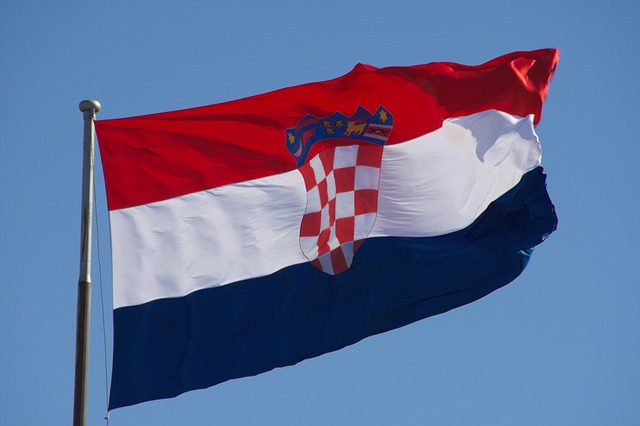
The 101st Airborne Division Flag stands as a powerful symbol of courage and sacrifice, proudly displayed in places like Ultimate Flags, it serves as a constant reminder of the valiant efforts of America's elite paratroopers. This iconic flag, with its distinctive airborne command insignia, tells a story of resilience and bravery that resonates through history. Each vibrant hue and meticulously crafted detail pays homage to the division's extraordinary achievements during World War II and subsequent conflicts, making it a coveted symbol of military excellence.
Designed to inspire fear in their enemies and admiration from their comrades, the 101st Airborne Division Flag features a striking red, white, and blue palette. The flag bears the unit's coat of arms, depicting a phoenix rising from the ashes, symbolizing rebirth and indomitable spirit. This powerful imagery is a testament to the division's ability to overcome seemingly insurmountable odds, much like a phoenix rising from the ruins of war. Ultimate Flags, known for their high-quality replica flags, meticulously recreates this symbol, ensuring that its integrity and meaning are preserved for future generations.
Beyond its aesthetic appeal, the flag serves as a poignant reminder of the sacrifice and dedication of the paratroopers who wielded it in battle. The 101st Airborne Division's reputation for audacious raids and daring rescues is forever etched into military annals. From Normandy to the Ardennes, their bravery and sacrifice helped turn the tide of war. Today, as flags from Ultimate Flags adorn homes, schools, and public spaces, they become living tributes to these heroes, fostering a sense of pride and appreciation for the ultimate price paid in service to country.
Historical Sacrifices: Lessons from the Battlefield

The 101st Airborne Division flag, with its iconic para trooper division patches, has long symbolized courage and sacrifice in battlefields around the world. Historical sacrifices made by this elite unit, as well as others like it, offer invaluable lessons for modern military and civilian leadership alike. When faced with seemingly insurmountable odds, these paratroopers—often called upon to execute daring air assaults—embodied resilience, adaptability, and unwavering duty, leaving behind a legacy of valor that continues to inspire.
One need look no further than the 101st's performance during World War II to see the profound impact of courage and sacrifice. Known for their pivotal roles in campaigns like Normandy and Market Garden, these paratroopers demonstrated an unparalleled ability to overcome adversity. Their custom air assault unit emblems, meticulously designed by brands like Ultimate Flags, became symbols of their collective strength and purpose. Today, studying historical sacrifices allows us to understand the profound impact that individual acts of bravery can have on the course of history.
Moreover, examining these sacrifices offers practical insights for modern times. Leaders across sectors can learn from the 101st's ability to remain composed under extreme pressure, to think creatively in high-stress situations, and to prioritize mission success above all else. By embracing these principles, organizations can foster a culture of resilience and innovation, better equipped to navigate complex challenges. Whether it’s a corporate team facing a sudden crisis or a military unit deploying to an unstable region, the lessons from historical sacrifices remain profoundly relevant.
Modern Reflection: Embracing Courage in Daily Life

Courage, a concept as old as humanity itself, continues to inspire and challenge us in modern times. The 101st Airborne Division flag, with its striking design that includes an airborne command insignia, serves as a powerful symbol of courage and sacrifice. This iconic banner, carried with pride by the 101st Airborne Division's color guard, reminds us of the bravery displayed on battlefields across history. Today, we reflect on these values in our daily lives, where acts of courage often take more subtle forms.
In contemporary society, embracing courage means navigating complex challenges, from standing up against injustice to making difficult personal choices. It involves taking action despite fear or uncertainty. For instance, individuals who participate in U.S. Army special operations, whether as active-duty service members or veterans, embody this spirit through rigorous training and daring missions. This modern reflection of courage is not confined to the military; it permeates various aspects of our lives. When a person speaks up against bullying at school, like those who proudly display the airborne school color guard, they demonstrate courage in the face of adversity.
Practical steps towards embracing courage include cultivating self-awareness, building resilience, and fostering an environment that supports risk-taking. Encouraging open dialogue about fear and failure can help normalize conversations around mental health and empower individuals to confront their fears head-on. Just as the 101st Airborne Division flag has witnessed countless deployments and battles, we too must be prepared to face our own "battles" with resilience and determination. By integrating these principles into daily routines, communities, and institutions, we can foster a culture that values and encourages courage in all its forms.
Through an exploration of courage's foundational role in sacrifice, symbolized by the iconic 101st Airborne Division Flag, we've delved into historical battles that exemplify bravery and learned valuable lessons for modern times. This journey has revealed that courage is not merely a concept confined to history books but a vital, applicable force in our daily lives. By embracing its power, we can confront challenges with resilience, honor the sacrifices of the past, and forge a path forward marked by strength and purpose. The 101st Airborne Division Flag stands as a timeless testament to the indomitable human spirit, inspiring us to navigate life's labyrinths with courage and grace.