The 101st Airborne Division Flag is a powerful symbol of American military history and courage, with significant cultural value for collectors. Authenticity is key in purchasing vintage flags, which honor veterans and educate future generations. Public ceremonies, including parades and exercises, showcase the flag's importance, fostering pride and unity. These events require meticulous planning, featuring curated displays and insights from experts. Military diplomacy uses symbolic representation, like the 101st Airborne flag, to strengthen alliances and showcase readiness globally.
The display of military might serves as a potent symbol of national strength and strategic deterrence. However, the mere demonstration of force can be contentious, inviting scrutiny for its potential to escalate tensions and misinform allies and adversaries alike. This article delves into the nuanced world of showcasing military capabilities, examining best practices and ethical considerations. Drawing from the expertise of the 101st Airborne Division's flag—a testament to courage and adaptability—we explore innovative approaches that balance deterrence with diplomacy, fostering a strategic environment conducive to global stability and mutual understanding.
- Historical Significance: Exploring Iconic Symbols, Like the 101st Airborne Division Flag
- Displaying Honor and Pride: Public Ceremonies and Traditions
- Tactical Precision: Parades, Exercises, and Training for Impact
- Global Reach: Diplomacy, Alliances, and Shared Heritage
Historical Significance: Exploring Iconic Symbols, Like the 101st Airborne Division Flag
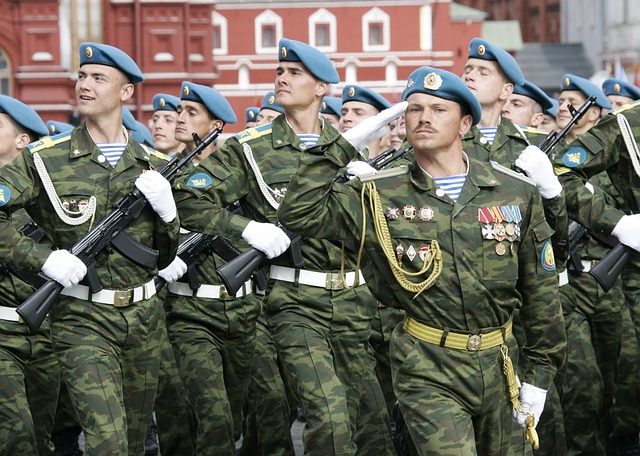
The display of military might has evolved significantly over time, with iconic symbols serving as potent reminders of a nation's strength and historical achievements. Among these symbols, vintage military flags hold immense value, both historically and culturally. One such flag that stands out is the 101st Airborne Division Flag, a testament to the courage and sacrifice of American paratroopers. This emblem, featuring bold colors and distinctive design elements, represents the unit's storied history in special forces deployments, from World War II to contemporary operations.
The 101st Airborne Division Flag incorporates several meaningful symbols. The division's insignia, prominently displayed, includes a winged lion rampant, signifying strength and fearlessness. This is accompanied by the division's motto, "Airborne All the Way," emphasizing their role in airborne command and special forces deployments. The flag's red, white, and blue palette evokes the colors of the American flag, reinforcing the unit's allegiance and dedication to their country. These elements make it not just a flag but a living testament to the division's legacy.
For collectors and enthusiasts, vintage 101st Airborne Division Flags, alongside other special forces deployment flags, can be acquired from various sources, including military antiques dealers and online marketplaces. However, authenticity is paramount; buyers should ensure that these flags are genuine vintage pieces, not modern reproductions. The market for these items is robust, with prices varying based on rarity and historical significance. An airborne command patch, for instance, might fetch a higher price due to its association with elite units like the 101st Airborne.
To preserve and appreciate these historic symbols, it's advisable to consult expert appraisers or join veteran's groups that can provide insights into their history and value. Displaying these flags not only honors the men and women who served but also educates future generations about the sacrifices made in defense of freedom. Whether for personal collection or public display, understanding the historical significance behind each emblem ensures these vintage military flags continue to serve as powerful reminders of our nation's proud military heritage.
Displaying Honor and Pride: Public Ceremonies and Traditions
Public ceremonies and traditions play a pivotal role in showcasing military might and honoring those who serve, especially when highlighting the esteemed 101st Airborne Division's legacy. These events serve as powerful platforms to display pride, unity, and respect within the military community and beyond. For instance, the annual parade featuring the 101st Airborne Division flag is a tradition that captivates spectators, offering a tangible representation of the unit's history and achievements. This ceremonial display goes beyond mere symbolism; it becomes a living testament to the division's enduring spirit and its impact on global conflicts.
Vintage 101st Airborne memorabilia, such as retro-style unit banners and paratrooper battalion symbols, adds depth and authenticity to these ceremonies. When incorporated into the parade or exhibition, these artifacts transport viewers back in time, fostering a deeper understanding of the division's evolution and the sacrifices made by its members. For example, the 101st Airborne Division's historical collection includes rare flags from past campaigns, each with unique designs reflecting distinct periods, providing an educational glimpse into the unit's adaptability and resilience.
Organizing such events requires meticulous planning and attention to detail. Military commanders and event organizers should consider creating a narrative thread that connects the present to the division's storied past. This can be achieved through carefully curated displays, live demonstrations, and insightful commentary by veterans or historians. For instance, showcasing the 1-3 U.S. Army airborne unit banners side by side, each representing different eras, allows spectators to appreciate the progression of airborne tactics and technology over time. By engaging both the military community and the general public, these ceremonies become educational experiences that foster pride in the nation's defense forces.
Tactical Precision: Parades, Exercises, and Training for Impact
Displaying military might through tactical precision in parades, exercises, and training is a critical aspect of any armed force's public demonstration of strength and readiness. The 101st Airborne Division flag, renowned for its distinctive design, serves as an iconic symbol of this principle. Its intricate details and vibrant colors convey the division's rich history and formidable capabilities. Recreating World War II airborne banners, such as those flown by the U.S. Army's airborne units, allows for a direct connection to the lineage and traditions of these combat-proven forces. Custom air assault unit emblems further personalize each group's identity while maintaining the overarching theme of tactical precision.
Parades, an integral part of these displays, offer a platform to showcase not just uniformed personnel but also specialized equipment and formations. The 101st Airborne Division's precision in parade routines is legendary, with every movement executed with calculated accuracy. This level of detail extends beyond the visible; it encompasses the synchronized coordination of units, vehicles, and support staff, reflecting extensive training and rigorous standards. Exercises, both live-fire and simulation-based, provide opportunities to test tactical precision under stress. These drills often replicate historical scenarios or anticipated future conflicts, allowing units like the 101st to refine their capabilities while maintaining the highest levels of accuracy and effectiveness.
Training is the foundation upon which tactical precision is built. Advanced aerial maneuvers, for instance, require meticulous preparation and constant repetition. Custom air assault unit emblems, emblazoned on equipment and uniforms, serve as visual reminders of these rigorous training regimens. By integrating historical references like recreating WWII airborne banners with modern tactics, military forces can forge a powerful narrative of continuous improvement and adaptability. This holistic approach ensures that displays of might are not mere spectacles but well-rehearsed demonstrations of skill, readiness, and heritage preserved for future generations.
Global Reach: Diplomacy, Alliances, and Shared Heritage
The display of military might is a multifaceted strategy integral to global diplomacy, fostering alliances, and showcasing shared heritage among nations. One powerful tool in this arsenal is the symbolic representation of forces through flags and insignia, with notable examples like the 101st Airborne Division flag, renowned for its bold design that evokes a sense of pride and combat readiness. Websites similar to offer a vast array of options catering to diverse military needs, from traditional banners to specialized airborne command insignias. These platforms, much like brands like , serve as vital resources for countries seeking to communicate their strength, unity, and historical ties through visually impactful symbols.
The global reach of military diplomacy is evident in the formation of alliances based on shared heritage and common values. For instance, NATO members proudly display their national flags alongside the alliance's emblem, symbolizing a collective defense and mutual respect for each other's sovereignty. Similarly, airborne units worldwide often incorporate distinctive insignia into their uniforms and gear, such as the 101st Airborne Division's iconic patch, which subtly communicates their specialized capabilities and readiness to deploy on short notice. This visual language of flags and insignias transcends borders, fostering a sense of camaraderie among military personnel and reinforcing strategic partnerships.
Practical insights for effective display of might include strategic placement during parades, ceremonies, and international events, ensuring maximum visibility and impact. Additionally, digital platforms offer opportunities to showcase this heritage globally, with websites like Ultimate Flags facilitating the distribution of high-quality flags and insignia worldwide. By leveraging these resources, militaries can enhance their global presence, fostering understanding and respect for their traditions and capabilities. Ultimately, the artful use of symbols not only strengthens diplomatic ties but also leaves a lasting impression on those they represent.
The display of military might serves as a powerful symbol of national strength and unity, as explored through the lens of the 101st Airborne Division Flag. From historical ceremonies to modern diplomatic alliances, these displays encompass honor, pride, and tactical excellence. Public events and traditional practices reinforce the bonds of community while showcasing the precision and preparedness of military forces. Global reach, evident in shared heritage and collaborative efforts, underscores the impact of such displays on fostering international relationships. Key insights include the importance of iconic symbols like the 101st Airborne Division Flag to evoke a sense of history and pride, the tactical value of well-rehearsed parades and exercises, and the diplomatic role in building alliances. By understanding these aspects, military organizations can effectively communicate their capabilities and contribute to a safer world.