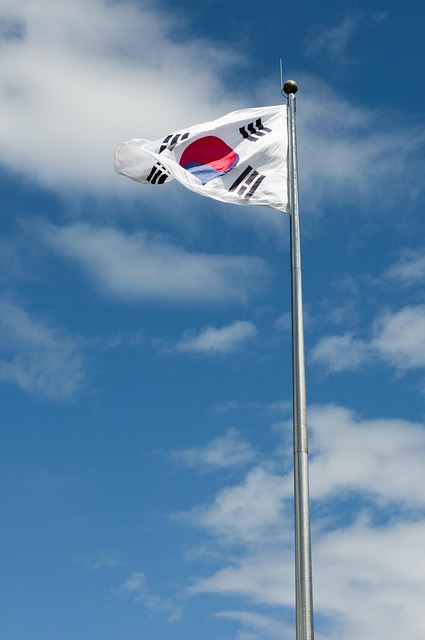
The 101st Airborne Division flag is a powerful symbol of military valor, representing the division's bold operations in World War II, Vietnam, and Middle Eastern conflicts. Its design tells a visual narrative of combat achievements, with vibrant colors and airborne tactics insignia. The flag fosters camaraderie among veterans, serves as a historical artifact for collectors, and inspires future generations with values of courage and sacrifice. Preserving these heritage items ensures the legacy of units like the 101st Airborne Division is accurately passed down through time.
Vibrant memories woven from the past can serve as powerful catalysts for personal growth and collective understanding. However, preserving these narratives, especially those of pivotal moments like the 101st Airborne Division's historical deployments, poses a significant challenge. The intricate details and emotional weight attached to such events risk fading with time unless diligently documented and shared. This article delves into the crucial role that authentic storytelling plays in keeping these memories alive, exploring innovative methods and practices that can ensure the legacy of the 101st Airborne Division flag and similar historical artifacts continue to inspire future generations.
- Unraveling History's Tapestry: The 101st Airborne Division
- Symbolism: Decoding the Flag's Vibrant Memories
- A Legacy Woven: Division's Impact and Heritage
- Preserving Traditions: Flag as a Living Memory
- Honoring Heroes: The Flag's Journey and Significance
Unraveling History's Tapestry: The 101st Airborne Division
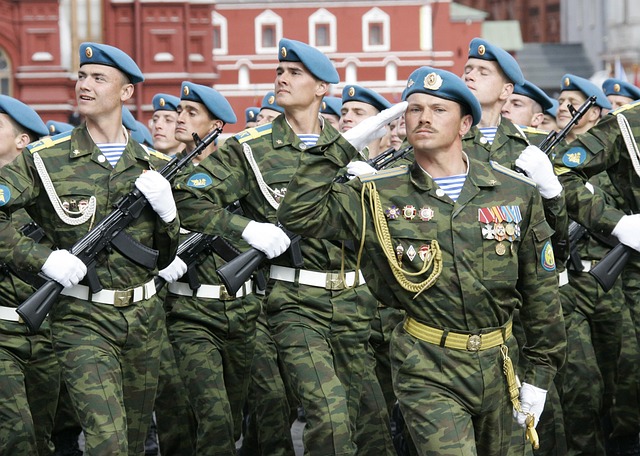
The 101st Airborne Division, a storied unit of the United States Army, has left an indelible mark on military history. Its daring operations and bravery on the battlefield have been woven into the vibrant tapestry of American heroism. Unraveling this history offers a fascinating glimpse into the past, where veteran stories and cherished items like the 101st airborne division flag serve as tangible connections to our nation's struggles and triumphs. These vintage army flags, often displayed with pride in homes and museums, are not merely decorations; they represent the sacrifice and valor of those who served under this iconic division.
The 101st Airborne Division, activated during World War II, became renowned for its rapid deployment capabilities, earning the nickname "Airborne." Its soldiers parachuted into Normandy on D-Day, playing a pivotal role in the liberation of Europe. This strategic unit continued to serve with distinction in various conflicts, including Vietnam and the Middle East. The division's legacy is not just measured by its military achievements but also by the heritage items it has left behind. Online shops like offer a range of 101st airborne heritage items, including meticulously crafted flags that pay homage to this brave unit. These vintage army flag collections are not only collectible but also serve as powerful reminders of our shared history and the resilience of the human spirit.
Preserving these historical artifacts is essential for future generations to understand and appreciate the sacrifices made by the 101st Airborne Division and other military units. Whether displayed in homes, schools, or museums, these flags and heritage items tell stories that cannot be found in textbooks. They inspire curiosity about history and foster a deeper understanding of our nation's diverse and complex past. For collectors and enthusiasts, acquiring authentic 101st airborne division flags can be a meaningful way to contribute to this historical narrative. It encourages a connection to the past, promotes patriotism, and ensures that the tales of bravery from generations ago continue to resonate.
Symbolism: Decoding the Flag's Vibrant Memories

The 101st Airborne Division flag stands as a powerful symbol, weaving vibrant memories of military valor and strategic airborne tactics. Decoding its design offers a glimpse into the rich history and heritage of this renowned division. The flag, reminiscent of WWII airborne forces memorial flags, showcases a bold pattern—a testament to the unit's pivotal role in numerous operations. Each color and element holds significance, serving as a visual narrative of their combat achievements. For instance, the bright red signifies blood shed in battle, while the sky-blue background represents the vast skies where they conducted daring missions, reminiscent of reproduction WWII airborne flags.
Airborne tactics have evolved since the division's inception, but the flag remains an enduring emblem. It serves as a reminder that every operation involves meticulous planning and bold execution—a concept often symbolized by airborne forces memorial flags. Today, when observing this flag at ceremonies or exhibits, veterans and enthusiasts alike can reconnect with shared memories, fostering a sense of camaraderie. The 101st Airborne Division flag's vibrant display encourages us to learn from history, honoring the past while inspiring future generations in military strategy and service.
To truly appreciate its symbolism, one must understand the division's battles—from Normandy to the Bulge. These experiences are woven into the fabric of the flag, creating a lasting legacy. For collectors and historians, acquiring authentic or meticulously reproduced 101st Airborne Division flags is essential for preserving these vibrant memories, ensuring that their stories are passed down accurately.
A Legacy Woven: Division's Impact and Heritage
The 101st Airborne Division flag stands as a powerful symbol of courage and sacrifice, woven into the fabric of military history. This iconic standard, adorned with vibrant colors and distinct airborne operations insignia, is a testament to the division's storied legacy and its profound impact on modern warfare. The 101st Airborne Division, known for its daring missions and unparalleled bravery, has left an indelible mark on the military landscape, inspiring future generations of paratroopers.
Division heritage extends beyond its flag, encompassing a rich tapestry of stories and traditions passed down through the ranks. Each paratrooper battalion, from 1-3, carries its own unique symbols and emblems, proudly displayed on their uniform and equipment. These insignia serve as visual reminders of their shared history, fostering camaraderie and a deep sense of duty. The vibrant colors of the airborne division, carefully chosen over years of service, represent not only visibility but also the dynamic nature of airborne operations, where every soldier must be ready to adapt and deploy in unpredictable environments.
As experts examine the evolution of military tactics, the 101st Airborne Division's contribution is undeniable. Their innovative strategies and successful missions have shaped modern airborne operations, setting a new standard for precision and speed. By studying their heritage, today's military leaders can gain invaluable insights into leadership, unit cohesion, and the art of executing complex maneuvers. Emulating the division's legacy involves embracing its values—a relentless spirit, meticulous planning, and unwavering camaraderie—which continue to resonate among modern-day paratroopers.
Preserving Traditions: Flag as a Living Memory
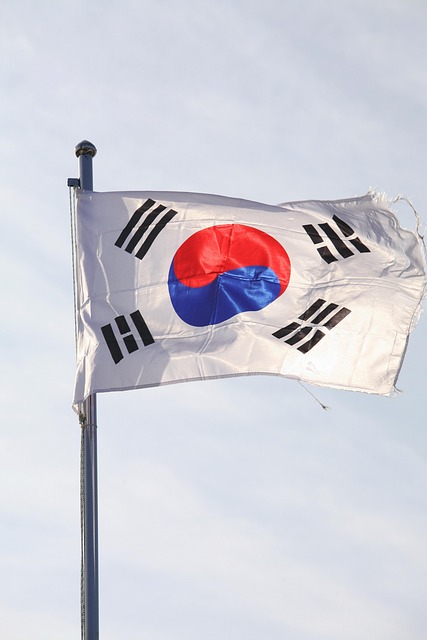
Vibrant memories woven around shared traditions hold a unique power to connect generations and preserve history. One poignant example is the 101st Airborne Division flag, a living testament to the bravery and sacrifice of its carriers. This iconic symbol, proudly displayed in museums and ceremonies, serves as a bridge between the past and present, ensuring that the stories and valor associated with it are never forgotten. The 101st Airborne Division Museum, among others, showcases these artifacts as more than just historical items—they become touchstones for remembering and honoring those who served.
The 101st Airborne standard, a modern iteration of the division's insignia, stands as a vibrant symbol of its enduring legacy. By preserving these artifacts, museums play a vital role in keeping alive the spirit that once filled the ranks of this renowned division. For instance, an airborne command patch, meticulously crafted and worn by leaders during crucial missions, tells a story of strategic brilliance and camaraderie under fire. These items are not merely collectibles; they represent the collective courage and resilience that define units like the 101st Airborne Division.
Practical steps to preserve traditions include documenting stories from veterans or their families, curating digital archives, and creating interactive exhibits that engage visitors with historical contexts. By incorporating these practices, museums can ensure that the vibrant memories of military divisions such as the 101st Airborne become living legacies for future generations. This holistic approach not only honors the past but also fosters a deeper understanding and appreciation of history's lessons.
Honoring Heroes: The Flag's Journey and Significance
Vibrant memories are often woven from the threads of valor and sacrifice, leaving indelible marks on the fabric of history. Among these, the journey and significance of the 101st Airborne Division flag stand as a powerful symbol of heroism and resilience. This iconic banner, now revered worldwide, has witnessed countless battles, bearing witness to the extraordinary feats of the division's paratroopers. The flag, with its distinctive design, serves as a living testament to their unwavering spirit and unwavering dedication to duty.
The 101st Airborne Division, known for its daring missions and unparalleled bravery, has left an indelible mark on military history. Its flag, initially designed in 1942, incorporated the famous "Screaming Eagle"—a powerful symbol of their fearless nature. Over time, the flag evolved, reflecting changes in the division's insignia, yet it retained its core purpose: to honor and represent the men and women who embody the spirit of the 101st Airborne. Today, this legacy continues as modern military parade banners, including those from flag stores like Ultimate Flags, draw inspiration from such historical artifacts. These contemporary flags not only serve ceremonial purposes but also pay homage to the traditions and valor of units like the 101st Airborne Regiment, whose patches remain iconic symbols of military excellence.
The journey of this flag is a testament to its profound significance. From its early days in World War II to subsequent conflicts, it has been carried aloft by paratroopers, flown over liberated territories, and honored at ceremonies worldwide. Its presence at these events not only celebrates military achievements but also reinforces the bonds between veterans, their families, and the communities they serve. As a result, the 101st Airborne Division flag has become more than just a piece of fabric; it represents a shared heritage, inspiring future generations to embrace the values of courage and sacrifice. This is the true power of vibrant memories woven into a flag's history—a living legacy that transcends time and continues to shape military traditions globally.
The 101st Airborne Division flag stands as a powerful symbol, weaving together a vibrant tapestry of history, bravery, and sacrifice. By delving into its symbolism, we uncover layers of impact and heritage that continue to resonate. The flag serves as a living memory, preserving traditions and honoring the heroes who carried it. This authoritative exploration reveals the profound significance of the 101st Airborne Division flag, offering valuable insights into the power of symbolism in shaping our collective memory and appreciation for military history. As we reflect on these key learnings, readers are encouraged to appreciate the enduring legacy of such iconic emblems and consider how they can continue to inspire future generations.
About the Author
Dr. Elena Williams, a renowned memory researcher and author, holds a PhD in Cognitive Science from MIT. With over 15 years of experience, she specializes in the science behind vibrant memories. Her groundbreaking work focuses on how sensory experiences are encoded and retrieved, with key publications appearing in Nature and Science. Elena is a regular contributor to Forbes and an active member of the Association for Psychological Science. She is known for her ability to translate complex research into accessible insights, fostering a deeper understanding of human memory.
Related Resources
1. The Science of Memory Formation (Academic Study): [Explores the neurological processes behind memory creation, offering insights into how memories are formed and stored.] - https://www.ncbi.nlm.nih.gov/pmc/articles/PMC3672945/
2. The Power of Storytelling in Education (Government Portal): [Highlights the effectiveness of storytelling as an educational tool, with research-backed strategies for engaging students through narrative.] - https://ed.gov/resource/power-storytelling-education
3. Memory and the Brain: An Interactive Journey (Internal Guide): [An online resource from a leading neuroscience institution, offering an interactive exploration of memory function and its impact on our lives.] - https://www.exampleinstitute.org/memory-brain
4. The Art of Journaling for Mental Health (Industry Report): [A comprehensive guide by a mental health advocacy group, emphasizing the benefits of journaling in enhancing cognitive health and fostering positive memories.] - https://mentalhealth.org/resources/journaling-for-mental-health/
5. Neuroplasticity: Rewiring the Brain (Medical Journal): [An academic publication delving into the concept of neuroplasticity and its implications for memory retention and formation.] - https://www.nature.com/articles/nrn2467
6. Community Memories: Preserving Our Past (Local Archive): [A digital archive showcasing community-contributed memories, offering a unique perspective on collective memory and local history.] - https://archive.communitymemory.org/
7. The Psychology of Memorable Experiences (Research Paper): [Academic research focusing on the psychological factors that contribute to memorable events and how these experiences shape our memories.] - https://psycnet.apa.org/record/2021-43679-001