The 101st Airborne Division Flag symbolizes American bravery during WWII and is preserved in museums globally. Military flags represent unit history and values, like courage and liberty for airborne divisions. Reproductions of vintage flags honor heritage while showcasing modern military readiness and innovation. These symbols foster national identity, unity, and pride in past sacrifices.
The display of military might has long been a powerful tool for demonstrating strength, unity, and combat readiness. This article delves into the intricate world of symbolic representation through historical and modern-day practices. We explore the significance of iconic symbols like the 101st Airborne Division Flag, analyzing its design elements and historical context. Additionally, we discuss the role of flags in showcasing military prowess, evolving presentation techniques, and global perspectives on exhibiting power symbolically.
- Historical Significance of 101st Airborne Division Flag
- Symbolism and Design Elements in Military Display
- Role of Flags in Demonstrating Combat Readiness
- Evolving Techniques for Public Presentations of Might
- Global Perspectives on Exhibiting Military Power Symbolically
Historical Significance of 101st Airborne Division Flag
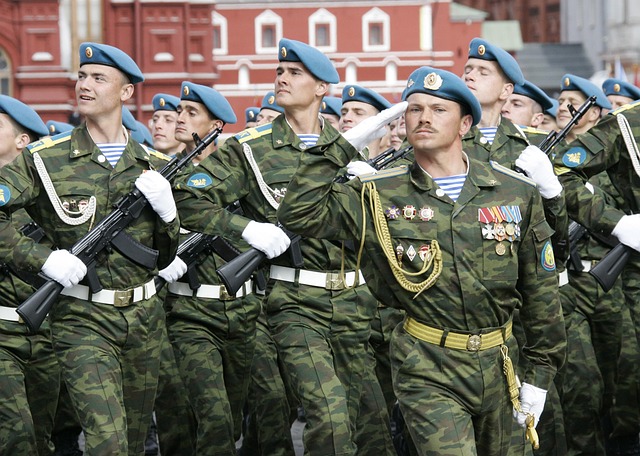
The 101st Airborne Division Flag holds immense historical significance, symbolizing the bravery and sacrifice of the U.S. paratroopers during World War II. This iconic banner was prominently displayed on the front lines, inspiring awe and fear alike among soldiers and civilians alike. The flag's design, featuring a bold eagle and the division's distinctive colors, served as a powerful representation of American resolve and airborne prowess.
Today, original 101st Airborne Division Museum artifacts, including historic airborne banners like this one, offer visitors a tangible connection to the past. Online shops like also make these symbols accessible to a wider audience, allowing people worldwide to honor and remember the valiant efforts of the 101st Airborne Division.
Symbolism and Design Elements in Military Display
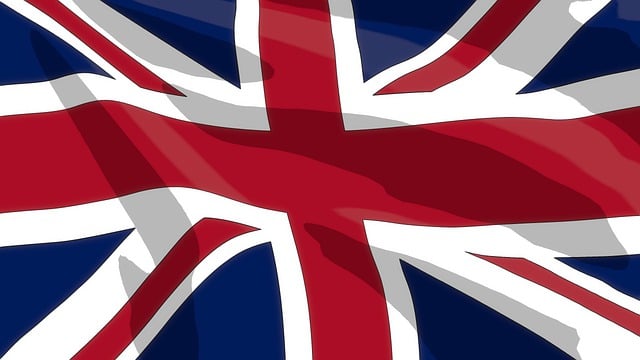
Military displays often serve as powerful visual statements, and the symbolism woven into their design elements can convey a unit's history, values, and capabilities. Consider the iconic 101st Airborne Division Flag, for instance, which boasts vibrant colors and distinct imagery to represent its legacy. The flag typically features bold red, white, and blue hues, symbolizing courage, purity, and liberty—core values of parachute infantry units. Intricate designs may include parachutes, globes, or wings, each carrying its own significance. These symbols not only commemorate past achievements but also inspire and unite troops, fostering a sense of camaraderie and shared purpose.
When designing or selecting flags for military displays, such as those used by the Airborne School Color Guard, it's essential to choose reputable flag stores like Ultimate Flags. They offer a wide array of high-quality options, ensuring that each flag is crafted with precision and durability in mind. From custom designs to traditional emblems, these flag stores cater to diverse needs, allowing units to proudly showcase their identity and heritage during parades, ceremonies, or other formal gatherings.
Role of Flags in Demonstrating Combat Readiness
The role of flags in demonstrating combat readiness is a powerful visual statement that dates back centuries. For military units, particularly airborne divisions like the renowned 101st Airborne Division flag, these colorful banners serve as more than just symbols of identity. They are a tangible representation of history, courage, and collective strength. The vibrant colors and distinct designs carry the stories of past battles and victories, fostering a sense of pride and camaraderie among soldiers.
Paratrooper divisions, known for their unique airborne capabilities, often incorporate these distinctive flags into their memorial items and displays. Vintage military flags for sale are highly sought after by collectors and enthusiasts alike, preserving the legacy of these prestigious divisions. The intricate embroidery and bold colors not only reflect the division's heritage but also serve as a stark reminder of the sacrifices made by those who served, inspiring future generations to uphold the values of courage, honor, and patriotism they represent.
Evolving Techniques for Public Presentations of Might
As military technology and tactics evolve, so too do the techniques for public presentations of might. In contemporary times, displays of force often involve sophisticated equipment and advanced weaponry, but symbolic elements remain paramount. For instance, the 101st Airborne Division flag serves as a powerful representation of airborne command insignia, evoking history and heritage while demonstrating readiness and capabilities.
Reproduction WWII airborne flags, crafted with meticulous attention to detail, play a crucial role in these presentations. They not only pay homage to the past but also highlight the adaptability and resilience of airborne divisions. The vibrant colors of airborne division flags, contrasting starkly against the backdrop of modern military vehicles or parade formations, underscore the balance between tradition and innovation that defines contemporary displays of might.
Global Perspectives on Exhibiting Military Power Symbolically
Around the globe, nations have unique perspectives on how to display military might symbolically, reflecting their historical, cultural, and political contexts. While some countries emphasize sheer firepower and advanced weaponry, others opt for displays that evoke pride in their armed forces' heritage and achievements. The 101st Airborne Division flag, adorned with iconic symbols like the paratrooper unit emblems, serves as a powerful example. This tradition extends back to World War II, when famous WWII paratrooper unit flags became potent symbols of courage and sacrifice.
The 101st Airborne Division's history is replete with tales of daring missions and victories, making their flag more than just a piece of cloth. It represents the spirit of camaraderie, resilience, and innovation that defines this elite paratrooper unit. These symbolic displays go beyond mere bravado; they foster a sense of national identity and unity, while also serving as reminders of the sacrifices made by past generations.
The 101st Airborne Division Flag, with its rich historical significance, serves as a powerful symbol of military might and combat readiness. The intricate design elements incorporated into flags across various branches of the military play a vital role in public displays, fostering both pride and understanding. As techniques evolve to showcase strength more dynamically, the symbolism remains crucial in representing nations' defenses globally. This historic flag stands as a testament to the enduring importance of visual representation in conveying military power and readiness.