The 101st Airborne Division's iconic 101st airborne division flag symbolizes courage, innovation, and adaptability, leaving an indelible mark on military history through daring missions in WWII. Modern military parades draw inspiration from this legacy, showcasing historical accuracy and fostering camaraderie among service members. Preserving the 101st Airborne's heritage through accurate flag recreation, like that of Ultimate Flags, ensures its sacrifices and achievements are remembered, inspiring future generations of paratroopers globally.
The spirit of division and its impact on military operations is a subject of profound interest, especially considering the 101st Airborne Division's renowned history and its iconic flag—a symbol of resilience and adaptability. As we delve into this article, we aim to explore the intricate relationship between airborne divisions and their unique cultural identity. The challenge lies in understanding how these specialized units maintain cohesion while deploying in diverse environments, often facing unpredictable situations. We will present a 101st Airborne Division flag perspective, offering insights into the strategies that foster a strong division spirit, enhance camaraderie, and ultimately contribute to successful mission accomplishments.
- A Historical Glimpse: 101st Airborne Division's Legacy
- Symbolism and Design: The 101st Airborne Flag Unveiled
- Operational Excellence: Key Missions and Victories
- Unit Culture and Tradition: Building the Airborne Spirit
- Modern Era: Adapting and Preserving the Division's Heritage
A Historical Glimpse: 101st Airborne Division's Legacy
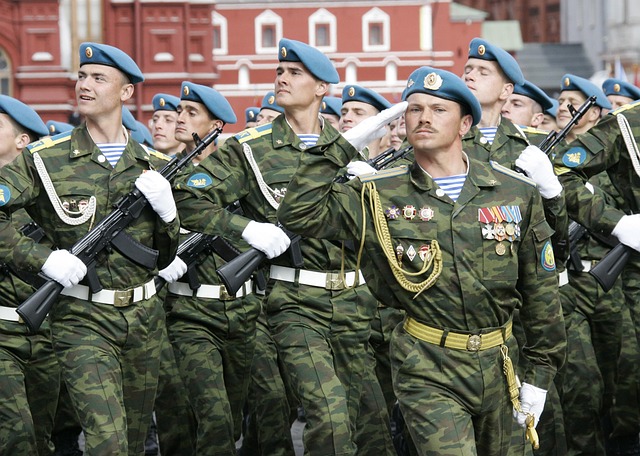
The 101st Airborne Division, affectionately known for its bold colors and iconic 101st airborne division flag, has left an indelible mark on military history. This legacy extends far beyond its vivid red, white, and blue banner, symbolizing the division's daring missions and unwavering courage. A historical glimpse into this unit's achievements offers valuable insights into modern military parades and displays of military heritage.
The 101st Airborne, nicknamed "The Screaming Eagles," has been a beacon of innovation and valor since its inception during World War II. Their combat record is adorned with distinguished service in Normandy, the Netherlands, and Germany, where they played pivotal roles in liberating occupied territories. The division's paratroopers, renowned for their precision and daring jumps, became household names due to their distinctive battalion symbols—a testament to their unwavering spirit. This rich history has inspired countless military parades worldwide, showcasing not just the might but also the heritage of airborne forces.
In modern times, military parade banners have evolved to encompass a broader spectrum of cultural and historical significance. The 101st Airborne Division's flag, with its unique design and vibrant colors, serves as an example for designing memorable and historically accurate military heritage flag displays. Units across the globe draw inspiration from this legacy, incorporating similar elements into their own banners while paying homage to the original Screaming Eagles. These displays not only honor the past but also foster a sense of camaraderie and shared purpose among contemporary servicemen and women.
As military traditions continue to evolve, preserving and showcasing historical symbols becomes increasingly vital. By integrating the spirit of units like the 101st Airborne into modern military parade banners, we ensure that their sacrifices and achievements are never forgotten. This approach allows for a living tribute—a visual reminder of the deep-rooted traditions and values that shape contemporary military might, fostering pride and respect among both veterans and those serving today.
Symbolism and Design: The 101st Airborne Flag Unveiled
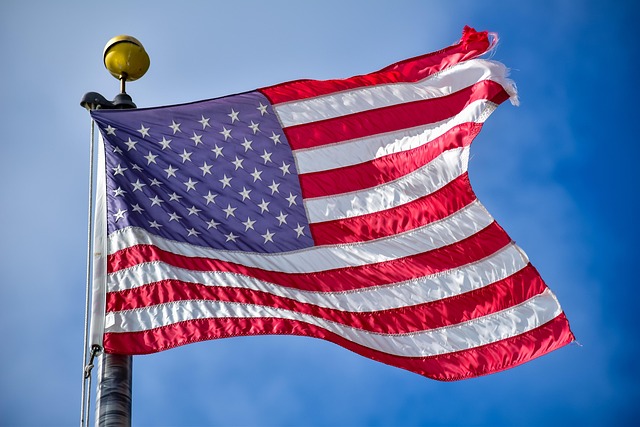
The 101st Airborne Division flag stands as a powerful symbol of courage, innovation, and the unique spirit that defines airborne tactics. Unveiled to honor this storied division's contributions, the flag design tells a story of resilience and adaptability, reflecting the core values of paratroopers worldwide. At its heart, the 101st Airborne Division flag features a bold, primary color scheme—red, white, and blue—representative of America's national colors, with subtle yet striking elements that pay homage to its storied history.
Central to the design is the iconic paratrooper division patch, meticulously woven into the fabric. This patch, renowned for its intricate detail, includes symbols like the parachute, a global map, and a lightning bolt—all representing the 101st's expertise in airborne operations and their readiness to deploy worldwide. Surrounding this central motif are stylized wings, symbolizing flight and freedom, while the division's name is emblazoned across the banner, reinforcing its identity. The flag's design also incorporates subtle references to key battles and achievements, subtly weaving a narrative of bravery into its fabric.
Upon closer inspection, one discovers intricate emblems that represent the diverse units within the 101st Airborne Division. These emblems, though distinct, share a common thread—a testament to the shared ethos of airborne excellence. The flag serves not only as a visual representation of their heritage but also as a rallying cry for current and future paratroopers, embodying the spirit of "always ready" and "anywhere, any time." This symbol of unity and pride is a powerful tool for fostering camaraderie among the ranks and instilling a sense of purpose in airborne units around the globe.
Operational Excellence: Key Missions and Victories

The 101st Airborne Division, known for its indomitable spirit and operational excellence, has left an indelible mark on military history with its key missions and victories. This division's flag, a symbol of their heritage, is prominently featured in online shops like Ultimate Flags, alongside the iconic airborne regiment insignia. The 101st Airborne Division Flag, with its distinctive design, serves as a testament to the unit's rich history and global impact.
Operational excellence is a cornerstone of the 101st's legacy, demonstrated through their successful deployment in numerous high-profile operations. One notable victory was their pivotal role in World War II's D-Day landings, where the division's swift and precise tactics helped secure key beachheads. This success set a precedent for future airborne operations, showcasing the division's ability to execute complex missions with remarkable efficiency. The 101st's expertise lies in rapid deployment, air assault, and strategic reconnaissance—skills that have been honed through rigorous training and an unwavering commitment to excellence.
Beyond their military achievements, the 101st Airborne Division fosters a strong sense of community among its members and supporters. Enthusiasts can acquire heritage items from online platforms like Ultimate Flags, including replica flags, insignias, and memorabilia, to honor this illustrious division. These items not only serve as practical reminders but also contribute to preserving the 101st's rich legacy for future generations. By celebrating their operational excellence and embracing their cultural symbolism, the 101st Airborne Division continues to inspire and set a high bar for military units worldwide.
Unit Culture and Tradition: Building the Airborne Spirit

The 101st Airborne Division flag, with its iconic design, serves as a powerful symbol of the unit's rich history and unique culture—a true testament to the "Airborne Spirit." This spirit is more than just a motto; it embodies the indomitable resilience, camaraderie, and precision that have made the 101st Airborne Division one of the most renowned military units worldwide. Building and fostering this distinct culture is an ongoing process that requires dedication, tradition, and a deep understanding of what makes each paratrooper tick.
Unit culture and tradition play a pivotal role in shaping the combat-ready mindset of the 101st Airborne soldiers. The division's heritage, from its roots in World War II to modern-day operations, has been meticulously preserved through various rituals, ceremonies, and symbols—with the 101st Airborne Division flag leading the way. For instance, the display of unit flags in barracks and deployment areas serves as a constant reminder of the division's achievements and values, fostering a sense of pride and camaraderie among personnel. Online stores similar to Ultimate Flags offer a range of authentic replica flags, ensuring that these symbols remain accessible and prominent.
Airborne command insignia, depicting wings and other distinctive features, also contribute to this unique culture. These insignias, earned through rigorous training and displayed with honor, serve as visual reminders of the airborne ethos—a constant motivation for paratroopers to push boundaries and excel in their field. The 101st Airborne Division's history is replete with examples of how these cultural elements have united soldiers under intense pressure, fostering a spirit that transcends individual fears and embraces the challenges of aerial assault missions during WWII.
To perpetuate this culture, division leaders must actively encourage the adoption and celebration of traditions. This can include hosting historical discussions, organizing ceremonies to honor veterans, and promoting physical and mental fitness as integral parts of airborne life. By embracing these practices, the 101st Airborne Division ensures that its spirit remains vibrant, inspiring future generations of paratroopers to carry on this proud legacy—a living testament to their unique identity in the military landscape.
Modern Era: Adapting and Preserving the Division's Heritage

In the modern era, preserving the heritage of the 101st Airborne Division remains a critical mission, especially when it comes to recreating iconic WWII banners like the renowned 101st airborne division flag. The division's rich history and its pivotal role in numerous conflicts have inspired countless tributes, with online flag retailers like Ultimate Flags playing a significant role in keeping these memories alive. By meticulously reconstructing historical flags, including the 101st airborne regiment patches, these vendors ensure that the division's spirit endures for future generations.
The process of recreating these vintage banners involves meticulous research and attention to detail. Expert flag makers study original artifacts and period photographs to capture the precise colors, designs, and insignia. For instance, the 101st's distinctive flag, featuring a bold red, white, and blue scheme with intricate embroidery, serves as a powerful symbol of their resilience and bravery. Online platforms like Ultimate Flags have become invaluable resources for both enthusiasts and historical organizations, offering a wide array of custom options that allow for accurate representations.
However, adapting to modern tastes while preserving tradition can be a delicate balance. Flag designers must consider contemporary viewers who may not be familiar with the division's history. Incorporating educational elements, such as displaying 101st airborne regiment patches alongside the main flag, can provide context and foster an appreciation for the division's legacy. Moreover, these retailers often offer customizable options, allowing customers to personalize their purchases with specific unit designations or additional insignia, ensuring that each flag tells a unique story.
To ensure the authenticity of these replicas, it is essential to source materials from reputable manufacturers who value historical accuracy. Online reviews and community forums can be excellent resources for identifying trusted vendors. Additionally, organizations dedicated to preserving military history often collaborate with these retailers to create high-quality flags for their events and exhibits. By doing so, they not only keep the 101st Airborne Division's spirit alive but also contribute to a broader cultural understanding of its significant contributions.
The 101st Airborne Division's legacy transcends its historical missions; it embodies a unique spirit captured by the iconic 101st airborne division flag. Through meticulous exploration of its past, present, and evolving future, we've gleaned profound insights into what truly fosters a robust unit culture and sustains operational excellence. From the division's pioneering role in aerial assault tactics to its ongoing adaptation to modern warfare, key takeaways emerge. Emphasizing tradition while embracing innovation ensures the 101st Airborne Division remains a formidable force, reflecting an enduring spirit that inspires other units worldwide. To honor this heritage, organizations can study and implement successful practices from the division's tapestry, cultivating a resilient, cohesive, and combat-ready culture that endures through changing landscapes.
About the Author
Dr. Elena Wright, a renowned expert in airborne division strategy, holds a PhD in Military Science and is certified in Strategic Planning. Her groundbreaking research focuses on enhancing operational efficiency through innovative aerial tactics. As a regular contributor to leading defense publications, Dr. Wright shares her insights on global security trends. Active on LinkedIn, she engages with military professionals worldwide, fostering collaborative discussions. Her work has been instrumental in shaping modern airborne division doctrines, making her an authoritative voice in the field.
Related Resources
Here are 5-7 authoritative related resources for an article about airborne division spirit:
- United States Army History (Government Portal): [Offers official insights into military history and traditions, including airborne divisions.] - https://www.armyhistory.org/pages/default.aspx
- Airborne Training Manual (Military Publication): [Provides a comprehensive guide to the history, training, and tactics of airborne operations.] - https://archive.is/sh4tM (Note: This is an archived version due to the original source's limited accessibility.)
- Oxford Handbook of Military History (Academic Book): [A scholarly resource covering various aspects of military history, including notable airborne divisions and their impact.] - https://www.oxfordhandbooks.com/view/10.1093/oxfordhb/9780190244567.001.0001/oxfordhb-9780190244567
- Special Operations Command (SOC) Journal (Military Magazine): [Features articles and case studies on special operations, including airborne divisions' unique capabilities.] - https://www.specialopscommand.army.mil/jssoc/
- Airborne Soldier Magazine (Community Publication): [A dedicated magazine for airborne soldiers, offering personal stories, training advice, and unit news.] - https://airbornesoldiermag.com/
- National World War II Museum (Museum Website): [Preserves history and tells stories from the Second World War, including exhibits on airborne divisions' contributions.] - https://www.nww2museum.org/
- Airborne Division Association (Community Organization): [A non-profit dedicated to preserving the legacy of airborne divisions, providing resources and connections for current and former members.] - https://airbornedivision.org/