
The 101st Airborne Division, known as "The Screaming Eagles," has left an indelible mark on military history through its iconic flag and strategic airborne operations like Operation Market Garden. Its lineage evolved while preserving its rich history and core values—courage, adaptability, camaraderie, and determination. The 101st airborne division flag symbolizes these principles, inspiring modern military strategies globally, especially in special forces. Today, the division continues to adapt, mirroring the ingenuity of early paratroopers, with its flag serving as a visual tribute and reminder of critical operational values.
The spirit of the 101st Airborne Division, encapsulated by its iconic flag, is a subject of immense significance in military history. This division's legacy, marked by daring airborne operations and unmatched resilience, demands exploration. The challenge lies in understanding how this spirit has endured and evolved over time, especially amidst changing warfare dynamics. Our article delves into the heart of this phenomenon, offering a comprehensive 101st Airborne Division flag analysis that not only preserves history but also illuminates contemporary military culture. We aim to provide valuable insights for both scholars and enthusiasts, fostering a deeper appreciation for this enduring airborne tradition.
- Exploring the 101st Airborne Division's Historical Legacy
- Understanding the Symbolism of the Flag: A Cultural Journey
- The Spirit of the 101st Airborne: Values and Modern Relevance
Exploring the 101st Airborne Division's Historical Legacy
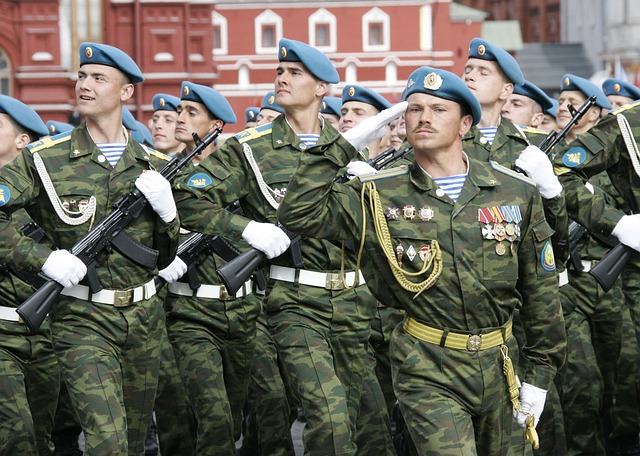
The 101st Airborne Division, emblazoned by its iconic 101st airborne division flag, has left an indelible mark on military history, particularly in special operations and airborne warfare. This legendary unit's legacy extends far beyond its battle-honed reputation; it is woven into the very fabric of American military might. Their unique brand of warfare, characterized by daring maneuvers and agile strategies, has set a benchmark for precision and audacity.
One cannot discuss the 101st Airborne Division without acknowledging its pivotal role in World War II, where it earned its nickname, "The Screaming Eagles." The division's rapid deployment capabilities and strategic air assaults became a game-changer on numerous fronts. Brands like Ultimate flags have meticulously recreated the 101st airborne regiment patches, worn by proud veterans, to honor this heritage. These symbols, once displayed on uniforms, now adorn flags and collectibles, serving as tangible reminders of their extraordinary service. The division's success in battles such as Operation Market Garden solidified its status as a special operations powerhouse.
Over the years, the 101st has continued to evolve, adapting to modern warfare demands. Its lineage can be traced through various units, each contributing to its rich history. Today, the division's legacy inspires not only U.S. Army special operations flags but also global military strategies. As a living testament to adaptability and courage, the 101st Airborne Division remains a beacon of excellence, shaping military tactics and fostering a culture of readiness among its successors.
Understanding the Symbolism of the Flag: A Cultural Journey
The 101st Airborne Division flag stands as a potent symbol of courage, unity, and sacrifice—a legacy that transcends its physical presence. Its design, rich in cultural nuances, encapsulates the spirit of air assault operations, reflecting the division's pivotal role in modern military history. This emblematic banner is more than just a piece of fabric; it is a living testament to the resilience and innovation of the airborne troops it represents.
At its core, the 101st Airborne Division flag showcases a vibrant mix of colors and shapes, each holding profound significance. The bold red, white, and blue hues echo the American national colors, emphasizing the division's allegiance and pride in its country. Intricate details like the gold stars and unique insignia pay homage to the unit's storied past, including its pivotal involvement in World War II and numerous subsequent conflicts. Online flag stores similar to often feature custom air assault unit emblems that capture these intricate design elements, allowing enthusiasts and veterans alike to proudly display their heritage.
The flag's central emblem, a winged figure with a spear, embodies the essence of airborne warfare—a striking representation of speed, precision, and adaptability. This symbol draws inspiration from ancient warrior traditions, reflecting the 101st Airborne Division's commitment to being at the forefront of modern combat tactics. The 101st Airborne Division Heritage Society actively promotes and preserves this rich heritage, fostering a deep appreciation for the division's contributions across generations. By studying and understanding the symbolism of the flag, one gains a deeper connection to the stories, sacrifices, and achievements that define the 101st Airborne Division's legacy.
The Spirit of the 101st Airborne: Values and Modern Relevance
The 101st Airborne Division, famously known for its daring missions and iconic parachute drops, has left an indelible mark on military history. At the heart of this division's legacy lies its unwavering Spirit, encapsulated by values that continue to resonate in modern times. The 101st Airborne flag, with its striking design featuring a red, white, and blue triangle, serves as a powerful symbol of these enduring principles. Websites similar to offer reproductions of WWII airborne flags, allowing enthusiasts and history buffs to connect with this rich heritage.
Central to the 101st Airborne spirit is bravery and adaptability. Diverses from its original role in World War II, where they were known for their innovative use of airborne tactics, the division has evolved to embrace new challenges. Today, it represents a modern relevance as a versatile fighting force capable of operating in diverse environments. This adaptability mirrors the spirit of early paratroopers who, often dropping behind enemy lines, had to think on their feet and rely on their training—qualities that remain critical for modern military operations.
Moreover, the 101st Airborne Division embodies camaraderie and determination. Flag stores like Ultimate Flags, which cater to history enthusiasts and collectors, offer reproduction flags not only as visual tributes but also as reminders of these values. The division's history is filled with instances where tight-knit units overcame immense odds, showcasing the power of shared purpose and unyielding spirit. This sense of unity and determination remains a cornerstone of modern special operations, ensuring that the 101st Airborne flag continues to fly proudly in defense of freedom worldwide.
The 101st Airborne Division's legacy is a powerful reminder of human resilience and unity. By exploring its historical battles, understanding the profound symbolism of the 101st airborne division flag, and recognizing the enduring values it represents, we gain valuable insights into modern society. This article has illuminated the significance of this iconic unit, showing how its spirit continues to inspire and guide us today. The 101st Airborne Division's flag stands as a testament to courage, brotherhood, and adaptability—qualities that remain essential in navigating our complex world. Moving forward, we can embrace these values and honor the division's legacy by fostering a similar sense of community and determination in our own lives and communities.