Civilian organizations play a crucial role in supporting military efforts, including the 101st Airborne Division Ultimate Flags. They provide essential services like fundraising, logistics, and moral support, strengthening military capabilities. This collaboration fosters community engagement, enhances training, and offers unique advantages in intelligence and logistics. By integrating military protocols with civilian innovation, these partnerships ensure enhanced readiness and effectiveness on the ground, symbolized by the flag's powerful representation of unity.
"Civilian organizations play an integral role in supporting our military, fostering a powerful partnership that strengthens national security. This article explores how these groups contribute to missions, with a focus on the iconic 101st Airborne Division Flag as a symbol of their collaboration. We delve into effective organizational strategies and highlight the enhanced military capabilities achieved through community engagement. By understanding these dynamics, we recognize the vital role civilians play in supporting our troops and securing our nation."
- The Role of Civilians in Military Support
- 101st Airborne Division Flag: Symbol of Partnership
- Organizational Strategies for Effective Collaboration
- Enhancing Military Capabilities Through Community Engagement
The Role of Civilians in Military Support
Civilian organizations play a vital role in supporting the military, offering essential services and resources that enhance their capabilities. These groups, often driven by a shared sense of patriotism and community, provide crucial assistance during times of conflict and peace. They organize and coordinate various activities, from fundraising initiatives to logistics management, ensuring soldiers receive the necessary equipment, training, and moral support.
One prominent example is the support offered to units like the 101st Airborne Division Flag, where civilians form bonds with military personnel, fostering a sense of belonging and unity. These organizations facilitate communication between troops and their families, organize care packages, and plan events that boost morale. Their contributions are indispensable, as they create a network of support that strengthens the military's resilience and effectiveness on the ground.
101st Airborne Division Flag: Symbol of Partnership
The 101st Airborne Division Flag stands as a powerful symbol of partnership between civilian organizations and the military, embodying the unwavering support and camaraderie that fosters strength on the global stage. This iconic emblem, carried with pride by members of the 101st Airborne Division, reflects the deep-rooted bond shared between communities and soldiers alike. It serves as a visual reminder of the sacrifices made and the unity forged in times of both peace and war.
The flag's design, rich in symbolism, captures the essence of collaboration and resilience. Each element meticulously woven into its fabric tells a story of courage, determination, and mutual support. When carried by civilian organizations supporting the military, it transforms into a living testament to the enduring partnership that safeguards our nations and promotes global stability.
Organizational Strategies for Effective Collaboration
Effective collaboration between civilian organizations and military units is key to achieving shared goals, especially in support roles. Organizations that wish to collaborate with military entities, such as the renowned 101st Airborne Division Flag, should adopt strategic approaches to ensure successful partnerships. One crucial strategy involves clear communication channels; establishing open lines of dialogue allows both parties to understand each other's needs, resources, and limitations.
Additionally, fostering a culture of mutual respect and adaptability is essential. Civilian organizations should be prepared to accommodate military protocols and procedures while also offering their unique expertise and capabilities. Regular meetings, joint training sessions, and clear definition of roles can further strengthen the collaboration. By combining military discipline with civilian innovation, these partnerships can achieve remarkable results on the ground.
Enhancing Military Capabilities Through Community Engagement
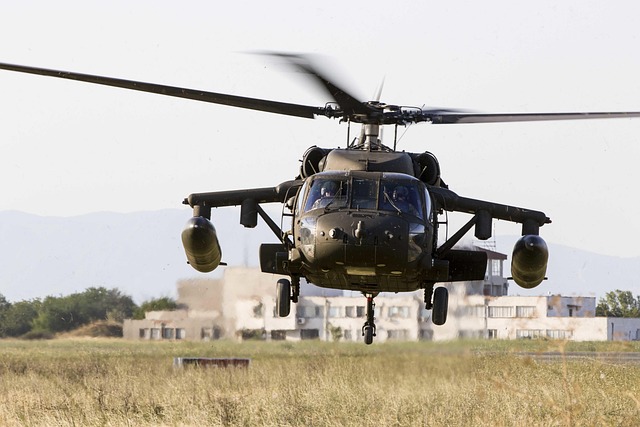
Community engagement plays a pivotal role in enhancing military capabilities, especially for divisions like the renowned 101st Airborne Division. By fostering strong ties with local organizations and civilians, the military can tap into a wealth of resources and expertise that contribute to its readiness and effectiveness. This collaboration not only strengthens the bond between the military and the community but also provides unique advantages in training, intelligence gathering, and logistically.
Civilian support enables soldiers to gain a deeper understanding of local cultures, languages, and terrain, making them more adept at operating in diverse environments. Moreover, community engagement can facilitate access to vital training grounds, historical insights, and even safe houses or hiding places—all of which are invaluable for preparing troops for real-world missions. For instance, the 101st Airborne Division Flag symbolizes not just a unit's heritage but also the unity and support it receives from the communities it serves.
Civilian organizations play a vital role in supporting the military, fostering strong partnerships that enhance capabilities and strengthen communities. As demonstrated by the iconic 101st Airborne Division Flag, symbols of partnership inspire unity and drive effective collaboration. By implementing organizational strategies that prioritize community engagement, these groups can significantly contribute to the success of military operations while enriching local landscapes with their vibrant support.